
From Acute Joint Pain to Impaired Mobility:
The Long-term Risks of Untreated Gout

Gout, also known as gouty arthritis, is a form of arthritis caused by the accumulation of urate crystals within the joints. Gout typically presents suddenly with symptoms of severe pain, erythema, swelling, and burning sensations in the joint, most commonly affecting the big toe joint. Although gout can be effectively managed and treated, many patients neglect or fail to adhere properly to treatment, leading to severe consequences such as loss of mobility.

What is Gout and What Causes It
Gout develops when the physiological equilibrium is disrupted, leading to either excessive uric acid production or impaired renal excretion. As serum uric acid levels elevate, monosodium urate precipitates into sharp needle-like crystals within the joints, inciting acute inflammatory cascades and intense physical distress.
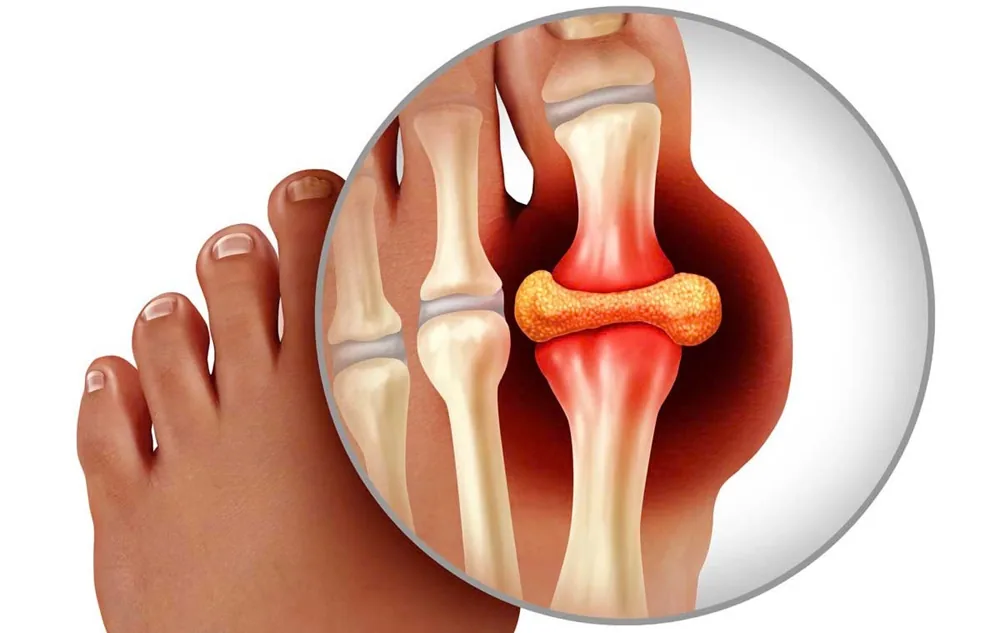
Risk factors contributing to gout include:
-
Dietary Regimen: Purine-rich foods such as red meat, seafood, and alcohol can elevate serum uric acid levels.
-
Overweight: Excess body weight increases uric acid production.
-
Genetics: Some individuals have a genetic predisposition to gout.
-
Other medical conditions: Chronic kidney disease, hypertension, and diabetes are also associated with gout.
Consequences of neglecting gout treatment
If not treated promptly and appropriately, gout can lead to many severe complications:
- Chronic and Persistent Pain:Untreated gout leads to prolonged and frequently recurring painful episodes. These pain crises not only affect the quality of life but also cause psychological stress, insomnia, and reduced work productivity.
- Formation of Gouty Tophi:Tophi are deposits of urate crystals that accumulate subcutaneously, commonly appearing around the joints of the fingers, toes, ears, and elbows. Tophi not only cause joint deformities but also induce severe pain and restrict mobility.
- Structural Joint Damage and Deformity:Prolonged arthritis can cause permanent joint damage. Destroyed joints will lose function and lead to loss of mobility, causing difficulties in daily activities.
- Renal Disease:Excess uric acid can deposit in the kidneys, causing kidney stones and renal failure. Chronic renal failure is a serious, potentially life-threatening complication if not promptly treated.
Treatment and prevention solutions for the disease
Treatment and prevention of gout require a comprehensive approach, combining medical treatment and lifestyle changes. Treatment adherence, maintaining a healthy lifestyle, and periodic monitoring are key to effectively controlling gout, preventing complications, and improving patients' quality of life.
– Dietary modification
- Limit purine-rich foods: Avoid red meat, seafood, alcohol, and processed foods.
- Drink enough water: Helps the kidneys eliminate uric acid effectively.
- Maintain a healthy weight: Lose weight if overweight to reduce joint stress and lower uric acid levels.

– Medication use
- Non-steroidal anti-inflammatory drugs (NSAIDs): Reduce inflammation and pain during acute gout flares.
- Colchicine: Alleviates pain and inflammation during acute gout flares.
- Uric acid synthesis inhibitors: Allopurinol and febuxostat help lower blood uric acid levels.
– Ongoing monitoring and disease management
- Periodic follow-up: Regularly monitor uric acid levels and renal function.
- Treatment adherence: Use medication as prescribed by the doctor and do not stop taking medication on your own.
Neglecting gout treatment not only causes pain but can also lead to loss of mobility and other serious complications. Therefore, the treatment and prevention of gout are extremely important to maintain quality of life.
Proactively protect your health with our experienced specialist doctors and advanced medical equipment.
📞 BOOK AN APPOINTMENT NOW: (+84) 28 2200 8686 – (+84) 901 295 399
⏰ Monday – Saturday: Morning 7:30 AM – 12:00 PM, Afternoon 1:30 PM – 5:00 PM | 24/7 Emergency: ((+84) 937 389 539)
💳 Full nationwide health insurance coverage & Direct billing for private insurance accepted