
Causes of Joint Pain:
Symptoms and Advanced Treatments

Understanding Joint Pain: Clinical Overview
Joint pain does not designate a singular medical condition, but serves as a comprehensive clinical term encompassing over 200 distinct musculoskeletal disorders. Given this extensive breadth, medical specialists have categorized these conditions into precise subgroups to deliver tailored therapeutic solutions. Among the most commonly encountered are:
Osteoarthritis
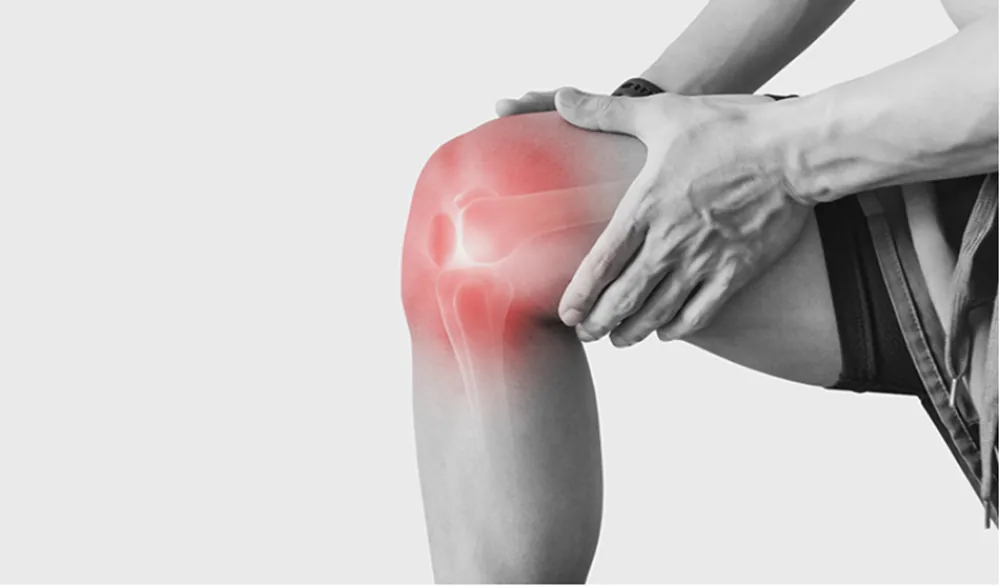
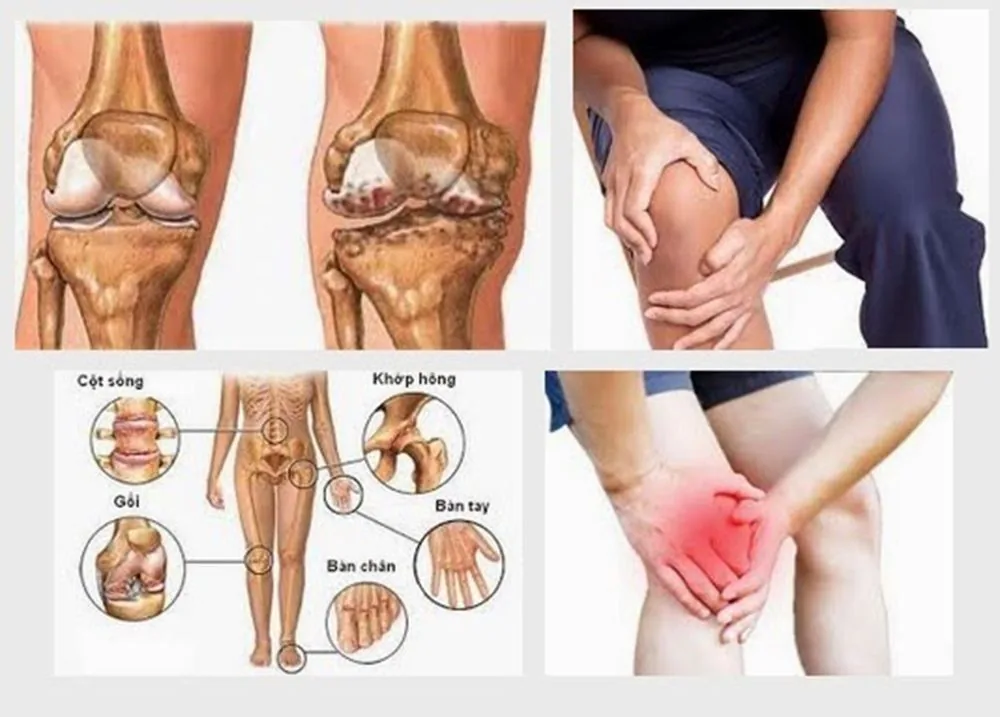
- A joint serves as the junction connecting two bones, playing an essential role in facilitating bodily flexibility and movement. Over time, however, joints may undergo wear and tear, causing the articular bone ends to frictionally rub against each other and inducing profound pain and discomfort during ambulation.
Comprehensive Insights: Joint Disorders and Their Underlying Etiologies
- Arthritis or osteoarthritis can advance significantly, potentially culminating in joint deformity. This pathological progression may cause bone segments to deviate from their anatomical alignment, precipitating injury to adjacent structures such as ligaments or nerve roots. Joints most vulnerable to degenerative changes are typically those subject to high mechanical demand, including the knees, spine, hands, ankles, and other weight-bearing articulations.
Rheumatoid Arthritis
– Rheumatoid arthritis (RA) is an autoimmune disorder wherein the immune system inadvertently targets healthy connective tissue, provoking systemic inflammation. Without meticulous therapeutic management, it may accelerate articular degradation and precipitate irreversible joint deformity.
– Clinical consensus indicates that rheumatoid arthritis may emerge across any age group, though its incidence peaks between ages 40 and 50. Hallmarks of the disease include localized edema, warmth, erythema, tenderness, and prolonged morning stiffness following periods of rest. Beyond significantly diminishing vitality and daily comfort, the accompanying systemic inflammation poses serious risks of cardiovascular complications, including ischemic heart disease and stroke.
Other Prevalent Articular Conditions
Beyond osteoarthritis and rheumatoid arthritis, a broader spectrum of notable articular conditions warrants clinical consideration, including:
- Ankylosing spondylitis.
- Gout.
- Juvenile idiopathic arthritis (pediatric rheumatoid arthritis).
- Psoriatic arthritis.
- Reactive arthritis.
- Septic (infectious) arthritis.
Etiology: What Precipitates Joint Disorders?
– Physical Trauma: This represents one of the primary drivers of premature articular degeneration, particularly among younger individuals.
– Systemic Metabolic Disorders: Contributing to the pathogenesis of conditions such as gout, pseudogout, and diabetes mellitus.

Underlying Etiological Factors of Articular Pathologies
– Genetic Predisposition: In certain clinical presentations, early-onset arthritis demonstrates a distinct hereditary predisposition. Furthermore, robust medical evidence connects genetic markers to several chronic autoimmune joint diseases, including rheumatoid arthritis, systemic lupus erythematosus (SLE), and ankylosing spondylitis.
– Infectious Pathogens: Certain infections, such as Lyme disease, can compromise the joints and induce localized or systemic inflammation.
– Immune System Dysfunction: This stands as the primary underlying cause for autoimmune conditions, including rheumatoid arthritis and systemic lupus erythematosus.
Contributing Factors to Joint Discomfort
Beyond the primary etiologies outlined above, individual susceptibility to joint conditions may also depend upon:
– Age: The likelihood of developing arthritis increases progressively with age.
– Biological Sex: Epidemiological data indicates that approximately 60% of individuals with arthritis are women; however, certain manifestations, such as gout, demonstrate a higher prevalence in men.
– Excess Weight and Obesity: Carrying excess body weight not only contributes to the onset of arthritis but also substantially elevates the risk of disease progression.
– Suboptimal Nutrition: A sustained diet elevated in purines—typically found in seafood, red meat, and alcohol—can precipitate and exacerbate the development of gout.
– Occupational Demands: Occupations demanding prolonged standing, repetitive squatting, or continuous knee flexion place chronic stress on the musculoskeletal structure, heightening the risk of overuse-induced osteoarthritis.
– Medical History and Comorbidities: Clinical statistics show that over 50% of adults diagnosed with arthritis in the United States present with concurrent hypertension, often accompanied by underlying cardiovascular conditions.
– Tobacco Use: This habit is directly linked to chronic respiratory disorders and may foster an inflammatory systemic state that facilitates the advancement of arthritis.
Clinical Approaches to Joint Pain Management
Home-Based Musculoskeletal Care
– Cultivating Restorative Lifestyle Habits: Engaging in regular physical activity and abstaining from tobacco play a pivotal role in curbing disease progression while fostering holistic vitality.
– Monitoring clinical symptoms and medication side effects: Continuously monitoring symptoms, pain severity, and potential adverse effects ensures timely and tailored clinical intervention.
– Pain and fatigue management: Effective management of pain and fatigue significantly enhances patient quality of life.
Optimizing home-based care protocols for joint pain relief
– Enhancing sleep quality: Insufficient or non-restorative sleep can exacerbate joint pain. Practicing disciplined sleep hygiene—such as limiting evening caffeine consumption and avoiding strenuous late-day exertion—can significantly alleviate these symptoms.
– Avoiding prolonged static postures: Moreover, prolonged sitting or extended bed rest can compromise articular flexibility, progressively diminishing overall mobility.
– Formulating a balanced, scientifically guided nutrition plan: A refined, well-balanced diet not only fosters an optimal body weight but also substantially aids in modulating joint inflammation.
Pharmacological management of joint pain
– Non-Steroidal Anti-Inflammatory Drugs (NSAIDs): These therapeutic agents demonstrate remarkable analgesic and anti-inflammatory efficacy. Common choices such as ibuprofen and naproxen can be administered orally, topically as creams, or via transdermal patches.

Standardized and evidence-based clinical protocols for effective joint pain management
– Disease-Modifying Anti-Rheumatic Drugs (DMARDs): Primarily prescribed for rheumatoid arthritis, these agents decelerate disease progression and inhibit autoimmune leukocyte infiltration within the joints. Methotrexate and hydroxychloroquine represent two primary standards of care.
Physical Therapy
– Surgical intervention: Procedures such as total knee or hip arthroplasty, small joint reconstruction, and corrective osteotomy can resolve persistent pain and restore functional quality of life. Surgical candidacy, however, is carefully determined by the underlying etiology and clinical stage.
- You should see a specialist to screen for causes, diagnose the stage of the disease, and consider a personalized treatment plan.
The article contains all information about joint pain, which is a very common condition in today's life.
– We trust this guide provides a clear and comprehensive perspective on joint pain—from clinical manifestations and underlying etiologies to evidence-based therapies—empowering your path toward restored comfort and mobility.
Proactively protect your health with our experienced specialist doctors and advanced medical equipment.
📞 BOOK AN APPOINTMENT NOW: (+84) 28 2200 8686 – (+84) 901 295 399
⏰ Monday – Saturday: Morning 7:30 AM – 12:00 PM, Afternoon 1:30 PM – 5:00 PM | 24/7 Emergency: ((+84) 937 389 539)
💳 Full nationwide health insurance coverage & Direct billing for private insurance accepted