
Causes of lung cancer, influencing factors, and prevention methods.

What Are the Primary Etiological Factors of Lung Cancer?
Tobacco Smoking as the Primary Etiology of Lung Cancer
- To date, tobacco smoke remains the predominant etiological driver of lung cancer. Epidemiological data demonstrate that approximately 80–90% of lung cancer-related mortalities are directly associated with cigarette smoking. Active tobacco consumers face an exceptionally elevated risk of morbidity and mortality from lung cancer—exceeding that of non-smokers by more than 15-fold.
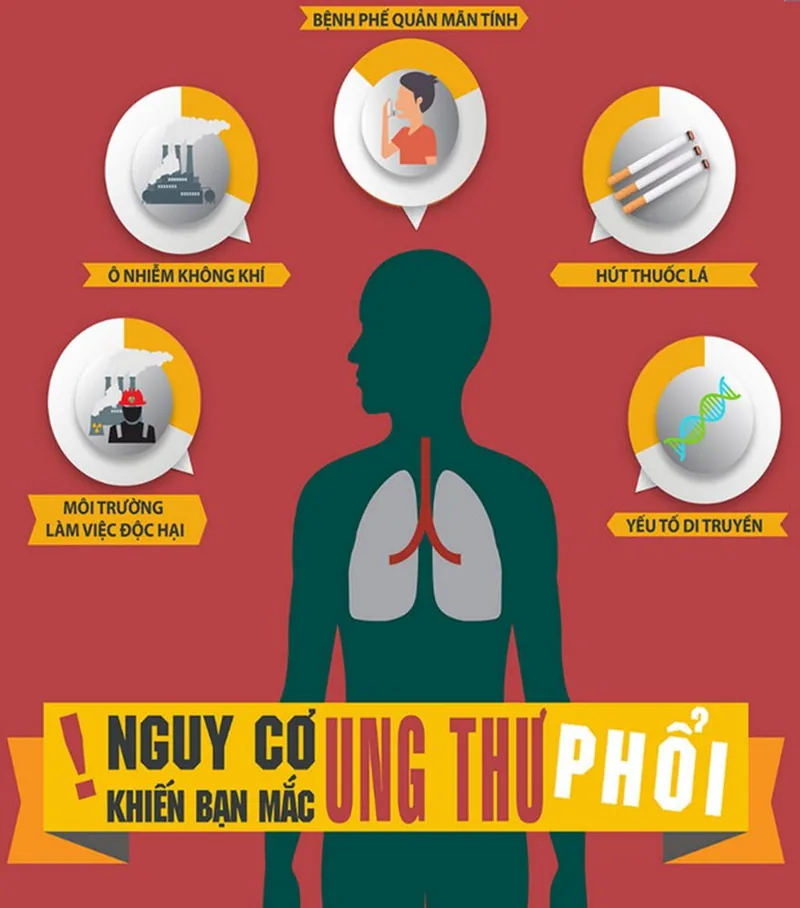
Understanding the Etiology and Causes of Lung Cancer
- Tobacco smoke contains approximately 200 cytotoxic and carcinogenic agents. Upon inhalation into the respiratory tract, they inflict tissue injury and induce profound cellular alterations within pulmonary parenchyma. Over time, cumulative cellular damage culminates in malignant transformation and the genesis of lung cancer.
- The risk of developing lung cancer escalates with both duration and the quantity of cigarettes smoked daily. Cessation of smoking prior to age 40 can reduce lung cancer risk by up to 90%. Quitting by age 54 diminishes the risk by two-thirds (⅔). While smoking remains the most prominent risk factor for lung cancer, not every smoker will develop the malignancy.
Hereditary and Genetic Factors in Lung Cancer
- Certain individuals face an elevated risk of lung cancer secondary to inherited genetic mutations passed down from their parents, even in the absence of smoking history. For instance, mutations in the BRCA1, BRCA2, and RAD51D genes may heighten the risk of developing lung cancer.
- Another population cohort demonstrates a reduced biological capacity to metabolize or eliminate specific carcinogens from the body, thereby predisposing them to an increased incidence of lung cancer.
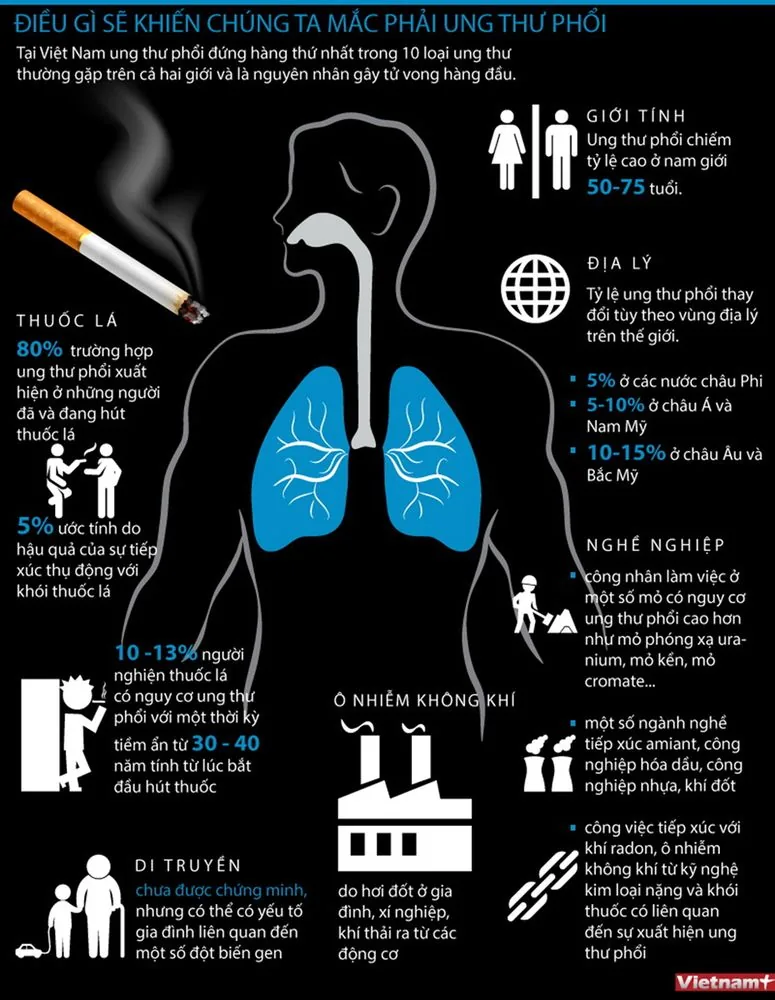
Primary Etiological Agents in Lung Cancer
- Furthermore, certain individuals harbor defective or dysfunctional DNA repair enzymes, resulting in a compromised immune system and heightened susceptibility to environmental carcinogens and the detrimental effects of radiation.
- In select cases, non-small cell lung cancer is driven by EGFR protein overexpression arising from an aberrant EGFR gene. This genetic mutation frequently manifests as lung adenocarcinoma in young Asian women, including non-smokers. Overexpression of the EGFR protein is also implicated in over 60% of metastatic non-small cell lung cancer cases.
Acquired Somatic Mutations in Lung Cancer Pathogenesis
- Common etiologies of lung cancer extend beyond hereditary factors to encompass acquired somatic mutations accrued over a lifetime through exposure to or inhalation of hazardous environmental agents—such as carcinogens in tobacco smoke, asbestos, and related toxins. Additionally, spontaneous cellular genetic mutations may occur independently of external influences.
- Genetic alterations in specific genes—such as the tumor suppressor genes RB1, p16, and TP53, as well as the oncogene KRAS—may similarly contribute to the pathogenesis of lung cancer.
- However, not all clinical variants of lung cancer exhibit these identical genetic mutations; consequently, numerous underlying genetic alterations remain to be uncovered.
Ambient Air Pollution as a Cause of Lung Cancer
- In 2013, the International Agency for Research on Cancer (IARC), an agency of the World Health Organization, formally designated outdoor air pollution as a leading environmental cause of cancer mortality. Research by the agency established that “the risk of developing lung cancer is significantly increased in individuals exposed to air pollution.”
- Inhaling contaminated air, particularly ambient particulate matter comprising fine airborne solid and liquid droplets, exerts pathological consequences comparable to secondhand smoke exposure.
- Air pollution is primarily generated by emissions from diesel-powered automotive vehicles, as well as coal-fired thermal power plants, timber harvesting, and construction industries.
Clinical Risk Factors Predisposing to Lung Cancer
In addition to the primary causes outlined above, the following clinical and environmental parameters may compound individual lung cancer risk:
- Secondhand Smoke Exposure: Lung cancer risk escalates even in non-smokers subject to sustained exposure to secondhand tobacco smoke. Ambient air following cigarette extinguishment continues to harbor at least 11 identified carcinogens alongside multiple toxic chemicals.
- Radon Gas Exposure: Radon is an odorless, naturally occurring radioactive gas generated by the radioactive decay of uranium in soil, rock, and water supplies. Inhalation of radon accumulated in indoor air constitutes a well-documented risk factor for lung cancer.
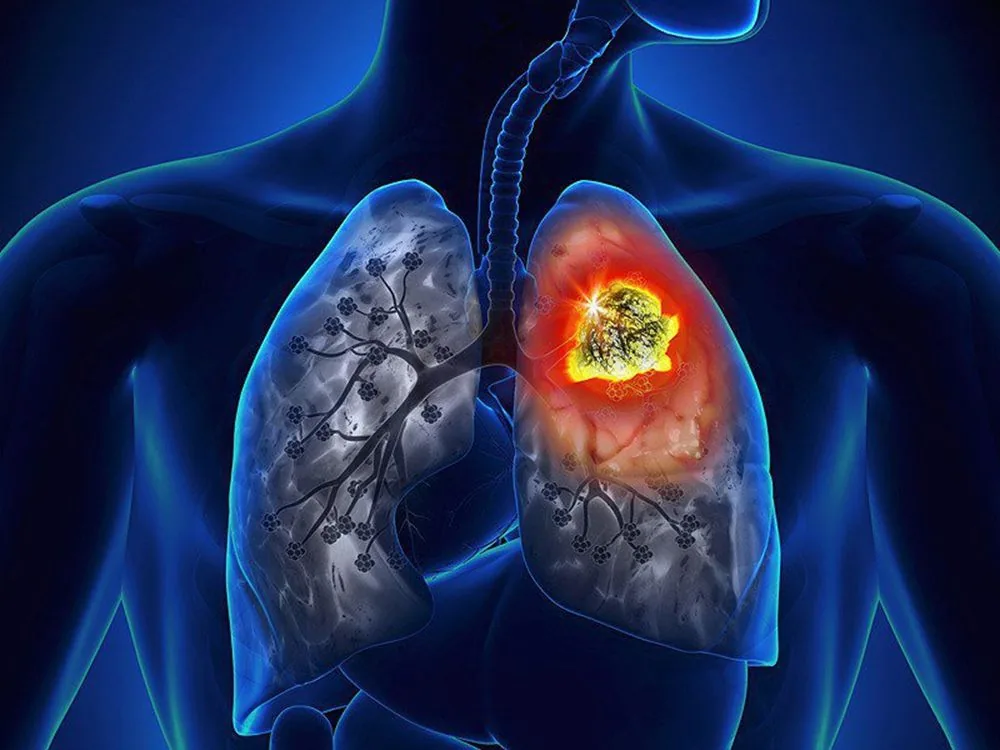
Additional Factors Contributing to Lung Cancer Risk
- Individuals exposed to asbestos and other hazardous carcinogens: Chronic occupational or environmental exposure to asbestos, industrial chemicals, and heavy metals significantly elevates susceptibility to lung cancer—a risk exponentially magnified among active smokers.
- Prior Radiation Therapy: A history of thoracic radiation therapy for another malignancy may increase the risk of developing lung cancer.
- Family History: A family history of lung cancer, particularly in first-degree relatives such as parents or siblings, also presents an elevated risk.
Preventive Strategies Based on Established Causes of Lung Cancer
By understanding the underlying causes of lung cancer, proactive prevention can be achieved through measures such as:
- Abstaining from Smoking: If you are a non-smoker, continue to abstain from tobacco use.
- Smoking Cessation: If you currently smoke, quitting is the most decisive step toward reducing your risk. Smoking cessation is essential in safeguarding your pulmonary health.
- Avoiding Secondhand Smoke: Minimize exposure to secondhand smoke in public settings, including restaurants and entertainment venues.
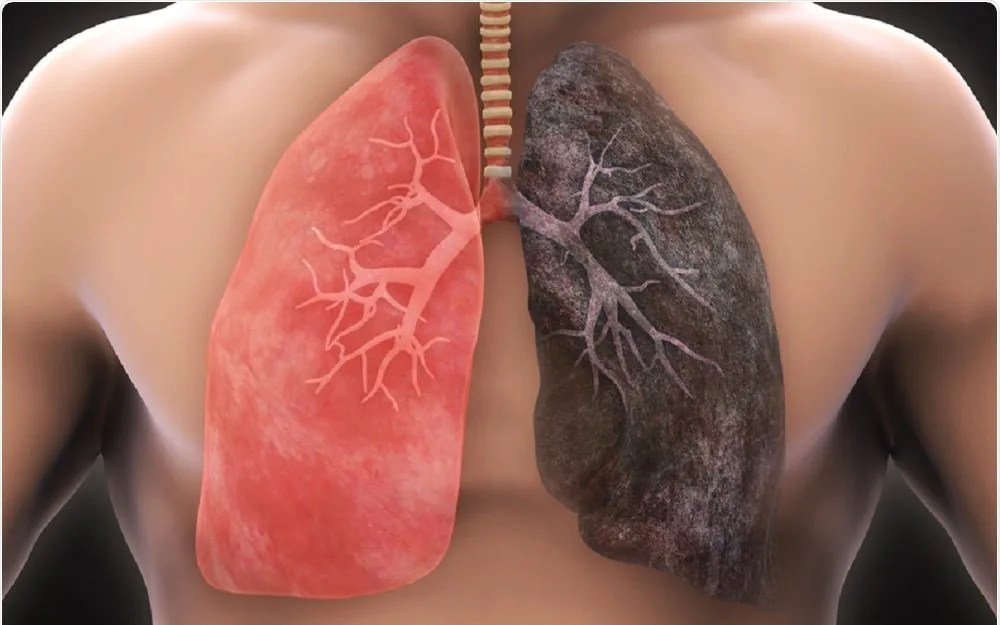
Mastering Effective Prevention Grounded in an Understanding of Lung Cancer Causes
- Protection Against Occupational Carcinogens: Employ dedicated personal protective measures to avoid workplace exposure to hazardous agents, including the proper use of masks and certified protective equipment.
- Maintaining a Wholesome Diet: Incorporate a plentiful array of fresh fruits and vegetables, choosing foods abundant in essential vitamins and nutrients to bolster immunity and overall vitality.
- Regular Exercise: Engage in regular exercise to strengthen your physique. Physical activity benefits not only the respiratory system, but also enhances your overall well-being.
Conclusion
This article outlines the primary causes, contributing risk factors, and proactive preventive measures regarding lung cancer. We hope this medical overview provides valuable guidance in understanding the disease and adopting effective steps to safeguard your health.
Proactively protect your health with our experienced specialist doctors and advanced medical equipment.
📞 BOOK AN APPOINTMENT NOW: (+84) 28 2200 8686 – (+84) 901 295 399
⏰ Monday – Saturday: Morning 7:30 AM – 12:00 PM, Afternoon 1:30 PM – 5:00 PM | 24/7 Emergency: ((+84) 937 389 539)
💳 Full nationwide health insurance coverage & Direct billing for private insurance accepted