
What is tonsillitis? Causes, symptoms, and treatment methods

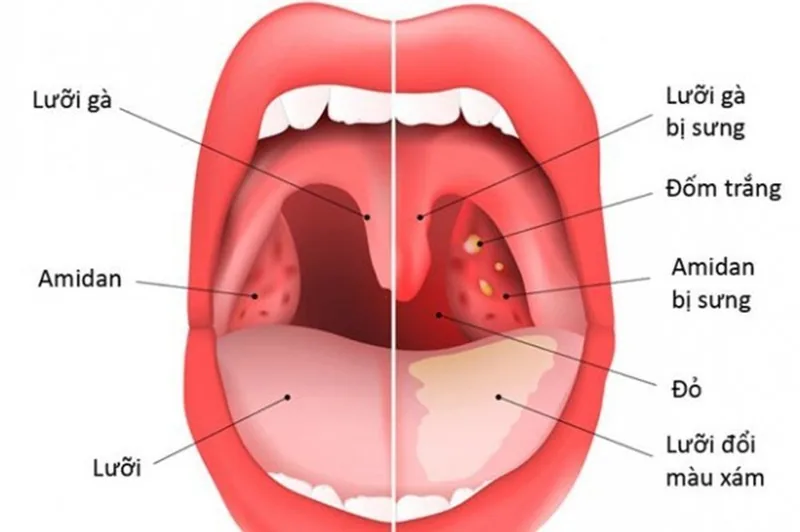
What Is Tonsillitis?
Tonsillitis is a widespread ENT condition affecting individuals across all ages. Serving as an immunological shield for the upper airway, the palatine tonsils intercept pathogens—including bacteria, viruses, and fungi—while generating antibodies to defend the body. However, their position on the front line leaves them continuously exposed to infectious agents. When microbial assault overwhelms these natural defenses, the tonsils weaken, succumbing to acute swelling and inflammation.
Classification of Tonsillitis
Tonsillitis is clinically classified into two primary categories: acute tonsillitis and chronic tonsillitis. Acute tonsillitis most frequently manifests in patients aged 3 to 4 years and older, presenting with erythema and edema of the palatine tonsils accompanied by pharyngodynia (sore throat) and dysphagia (difficulty swallowing). Concomitant symptoms may also include pyrexia (fever), white or yellowish tonsillar exudates, tender cervical and submandibular lymphadenopathy, otalgia (referred ear pain), and cephalalgia (headache).
CAUSES OF TONSILLITIS
- Tonsillitis may originate from viral etiologies, including infections caused by Adenoviruses, Enteroviruses, Influenza viruses, Parainfluenza viruses, Epstein-Barr virus (EBV), and Herpes simplex virus (HSV).
- A documented history or active presentation of infectious respiratory conditions, such as rubeola (measles) or pertussis (whooping cough).
- Inadequate personal hygiene practices.
- Dietary exposure to unhygienic fare or excessively chilled consumables, such as ice cream, ice water, and cold beer.
- Living environments compromised by pollution and elevated levels of airborne particulate matter.
- Sudden meteorological and seasonal temperature transitions may likewise precipitate tonsillar inflammation.
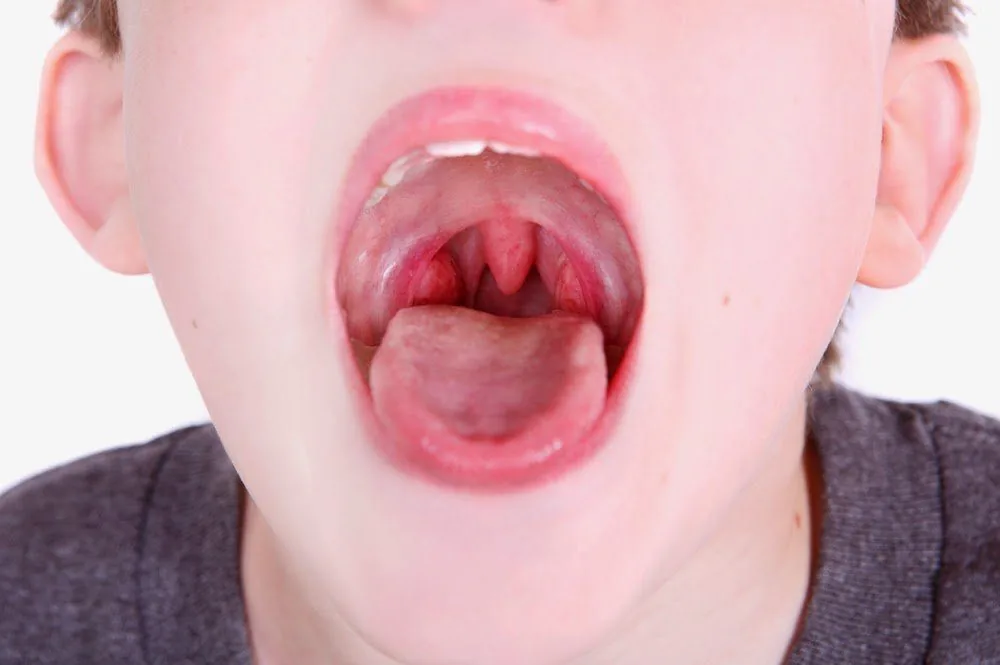
Tonsillitis Clinical Treatment Protocols
The therapeutic strategy for tonsillitis is tailored to the underlying etiology, severity of the presentation, and the patient’s overall health profile. Standard clinical modalities include:
- Acute tonsillitis can be managed with antibiotics prescribed by a physician, physiological saline for nasal drops and throat gargling, or antiseptic oral rinses.
- For chronic tonsillitis, the physician may advise tonsillectomy in selected cases.
- In addition, patients should stay well hydrated, get ample rest, gargle with warm saline solution several times a day, maintain meticulous oral hygiene, use soothing throat lozenges, utilize a humidifier to maintain optimal indoor humidity, and strictly avoid smoke, cigarette smoke, tobacco, alcohol, and spicy or irritant foods.
Preventive Strategies for Tonsillitis
- Tonsillitis is one of the prevalent otorhinolaryngological conditions affecting both children and adults. To proactively prevent tonsillitis, you may adopt the following measures:
- Uphold Rigorous Personal Hygiene: Practice frequent hand hygiene and refrain from sharing beverages, dining utensils, or personal care items. Replace toothbrushes following an episode of tonsillitis, and observe proper respiratory etiquette by covering the mouth and nose when coughing or sneezing.
- Minimize Exposure to Individuals with Tonsillitis or Communicable Infections: When contact with individuals diagnosed with tonsillitis is unavoidable, utilize a protective face mask to minimize cross-transmission.
- Preserve Warmth for the Nasopharyngeal Passage During Seasonal Transitions: Protect the cervical area with a scarf or tailored outerwear, and maintain face mask usage in colder environments.
- Cultivate a Pristine and Well-Ventilated Living Space: Routinely decontaminate and clear dust deposits from ventilation systems, including fans and air-conditioning units.
- Routine Mask Usage in Public and Outdoor Environments: Adhere to mask-wearing to substantially lower potential transmission vectors.
- Daily oral hygiene regimen: Practicing meticulous oral hygiene is essential to minimizing the risk of infectious diseases.
– We trust this guidance will support you in effectively preventing tonsillitis.
Proactively protect your health with our experienced specialist doctors and advanced medical equipment.
📞 BOOK AN APPOINTMENT NOW: (+84) 28 2200 8686 – (+84) 901 295 399
⏰ Monday – Saturday: Morning 7:30 AM – 12:00 PM, Afternoon 1:30 PM – 5:00 PM | 24/7 Emergency: ((+84) 937 389 539)
💳 Full nationwide health insurance coverage & Direct billing for private insurance accepted