
Essential Insights into Peptic Ulcer Disease

Gastric ulcers can arise at any age; however, they are markedly prevalent among the elderly population, accounting for approximately 60% of all reported cases.

Etiology of Gastric Ulcer Disease
Gastric ulceration is driven by various pathophysiological factors, the primary causes of which include:
- Helicobacter pylori (H. pylori) infection: Following colonisation, this pathogen thrives within the gastric mucosal mucus layer, secreting cytotoxins that disrupt the mucosa's defensive resistance to gastric acid. It represents the predominant etiology of chronic gastritis, which can progress to ulceration or gastric carcinoma.
- Prolonged use of analgesics and nonsteroidal anti-inflammatory drugs (NSAIDs): Sustained exposure suppresses the synthesis of prostaglandins that safeguard the gastric mucosa, precipitating epigastric pain, acute inflammation, and ulcerative lesions.
- Psychological distress: Emotional stress, grief, anger, anxiety, and fear dysregulate neuroendocrine gastric function, provoking gastric hypersecretion and compromising the mucosal barrier, ultimately predisposing to ulceration.
- Dietary and lifestyle factors: Irregular meal scheduling, erratic nutritional habits, overeating or severe fasting, and heavy alcohol intake compromise gastric motility and stimulate excess acid secretion, progressively deteriorating mucosal integrity and culminating in gastritis and peptic ulceration.
- Autoimmune conditions, chemical exposures, and other secondary factors
Clinical Manifestations of Gastric Ulcer Disease
- Peptic ulcer disease presents with specific symptoms. However, in mild or early-onset cases, it can be quite challenging to identify. This is because the most primary and fundamental symptom of gastric inflammation and ulceration is a dull ache localized in the small intestine area.
- This is also why many individuals often mistake peptic ulcer disease for ordinary abdominal pain. To gain a clearer understanding of the symptoms of gastroduodenal ulcers, please refer to the following clinical information:
- Bloating, indigestion, and recurrent nausea: Excessive gastric acid secretion often precipitates acid reflux and nausea. Patients presenting with peptic ulcers frequently experience persistent epigastric fullness, discomfort, and impaired digestion, often accompanied by belching, diminished appetite, and early satiety.
- Epigastric pain: Discomfort situated in the upper abdomen, or epigastrium, represents the hallmark clinical sign of peptic ulcer disease. The pain typically manifests as a dull, persistent, and profoundly uncomfortable ache.
- Sleep disturbances: Peptic ulcer disease impairs not only digestive wellness but also restorative sleep. Abdominal distension, nocturnal pain, and midnight hunger pangs frequently compromise the patient's ability to fall and remain asleep.
- Frequent belching and epigastric burning: These are among the most common manifestations of peptic ulcer disease, observed with particular frequency during the initial onset of the condition.
- Gastrointestinal dysfunction: This presents characteristically through recurrent abdominal cramping, diarrhea, or constipation. Because ulcerative lesions compromise normal gastrointestinal physiology, digestive dysmotility and irregularity naturally follow.
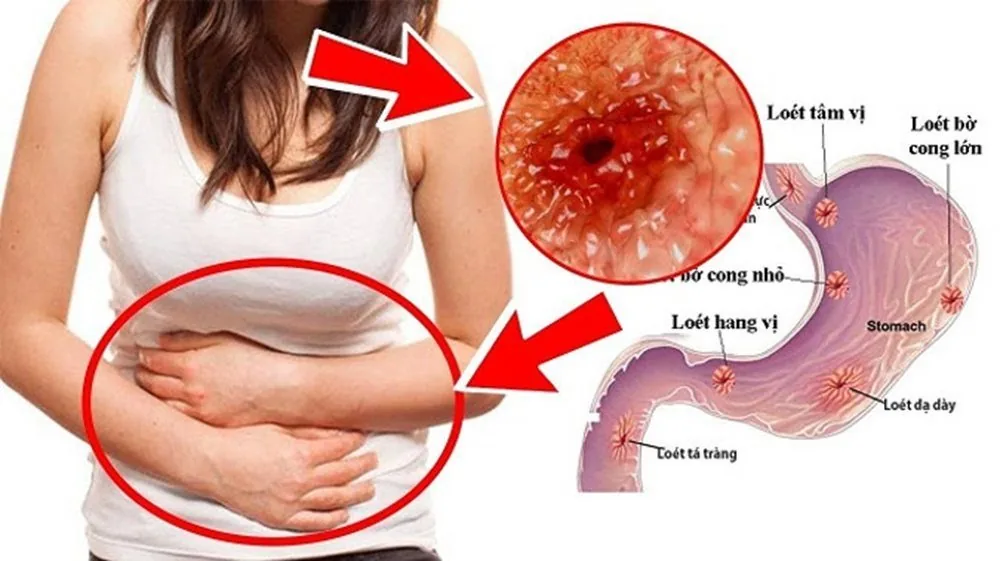
Who is most vulnerable to peptic ulcer disease?
Peptic ulcer disease can affect any demographic; however, its incidence peaks in individuals over 50 years of age. Furthermore, those presenting with the following risk factors demonstrate higher clinical susceptibility:
1. Chronic tobacco use and regular alcohol consumption
Cigarette smoke contains noxious compounds that compromise the protective gastric mucosal barrier, predisposing tissue to mucosal injury. Concurrently, alcohol delays the epithelial repair of existing ulcers while stimulating hyperacidity, which encourages de novo lesion formation.
2. Chronic psychological stress and anxiety
Prolonged stress and anxiety trigger sustained gastric hypersecretion, significantly impairing gastrointestinal function and elevating the likelihood of ulcerogenesis.
3. Irregular dietary habits and unwholesome lifestyle choices
Routinely omitting breakfast, late sleep hours, irregular meal timing, and physical inactivity represent unfavorable habits that elevate the risk of developing peptic ulcers.
Diagnostic Approaches for Peptic Ulcer Disease
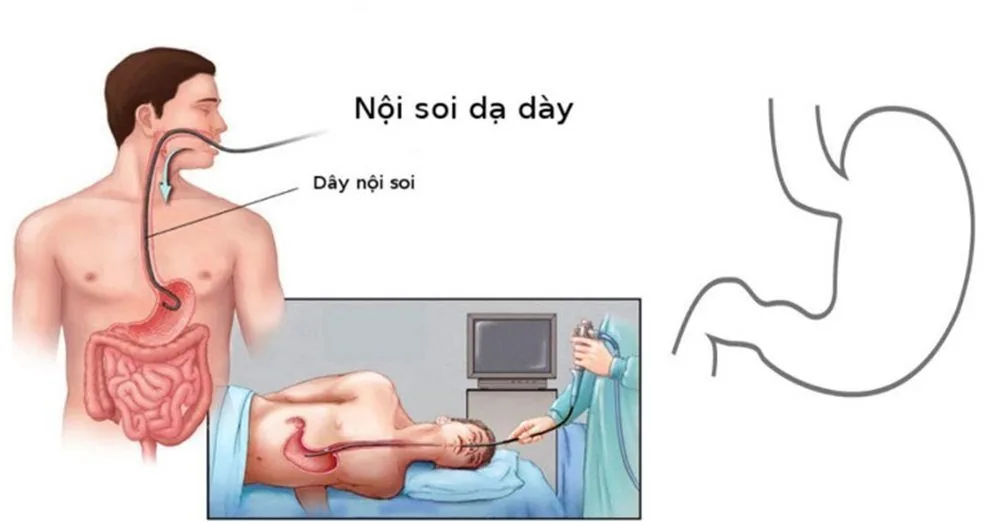
- Upper Endoscopy (Gastroscopy): Esophagogastroduodenoscopy (gastroscopy) affords clinicians direct, high-definition visualization to meticulously evaluate lesion severity and establish an informed prognosis. While uncomplicated ulcers respond favorably to medical therapy, suspicious lesions presenting with irregular margins, nodularity, or marked induration may suggest ulcerative gastric malignancy. In such cases, targeted mucosal biopsies of the ulcer periphery are performed to achieve early detection.
- Blood and Stool Laboratory Tests: Facilitates the assessment of anemia—particularly when ulcers are complicated by gastrointestinal hemorrhage—along with evaluating gastric mucosal enzymes and detecting fecal occult blood.
Complications of Peptic Ulcer Disease
Acute peptic ulcer disease is generally manageable and can be fully resolved through timely clinical care. However, progression into a chronic condition proves significantly more challenging to cure completely and may precipitate life-threatening complications. Potential complications include:
- Gastrointestinal Hemorrhage: This is one of the most common complications of peptic ulcer disease. Intraluminal blood loss may lead to acute anemia, causing lightheadedness, pallor, hematemesis (vomiting blood), or melena (black, tarry stools).
- Gastric Perforation: Unresolved chronic ulceration can erode the full thickness of the gastric wall, culminating in perforation characterized by acute, agonizing abdominal pain.
- Pyloric stenosis: The pylorus is the anatomical outlet of the stomach connecting to the duodenal bulb. Cicatricial fibrosis secondary to ulceration can induce mechanical gastric outlet obstruction, impeding the transit of alimentary content. Classical presentations include recurrent vomiting, succussion splash indicating food retention, and rapid weight loss.
- Gastric (stomach) cancer: Gastric ulcer disease represents a recognized risk factor for the development of gastric malignancies.
Treatment Approaches for Gastric Ulcers
Treatment is carefully tailored based on the underlying etiology of the ulcer. Prompt clinical consultation upon noticing any abnormal symptoms is essential, as early diagnosis and timely intervention offer the highest likelihood of a complete recovery.
Medical Management of Gastric Ulcers
- If the ulceration is caused by H. pylori infection, the physician may prescribe a Helicobacter pylori eradication protocol. Currently, due to widespread antibiotic resistance, the most commonly utilized H. pylori eradication regimens are the quadruple therapy containing Bismuth or a Levofloxacin-based regimen.
- In addition, patients are advised to discontinue all NSAID medications (if clinically feasible) to accelerate the recovery process.
- During treatment, patients may experience certain medication side effects such as nausea, dizziness, headache, diarrhea, abdominal pain, etc. These side effects are typically transient and will subside once the course of treatment is completed. However, should you experience severe discomfort, please consult your physician to evaluate potential adjustments to your regimen.
- With appropriate therapeutic management, peptic ulcer symptoms will rapidly resolve. Nevertheless, physicians emphasize that patients must continue taking their medication strictly as directed, without arbitrarily reducing the dosage or discontinuing treatment. This ensures that H. pylori bacteria are eradicated completely and prevents the development of drug tolerance and resistance.
Surgical Management
In rare instances, surgical intervention may be indicated for complex gastric ulcers. Surgery is typically reserved for cases refractory to medical therapy, refractory or repeatedly recurrent lesions, or severe complications including gastrointestinal hemorrhage, gastric perforation, or pyloric stenosis obstructing passage into the small intestine.
This article was medically reviewed by Dr. Nguyen Thi Dieu Huyen - Internal Medicine Specialist at Sante Hospital.
Contact us immediately for consultations and to book an appointment with leading specialists at Sante Hospital:
Address: 11A Dinh Bo Linh, Ward 24, Binh Thanh District, Ho Chi Minh City
Hotline: (+84) 28 2200 8686
Fanpage: www.facebook.com/benhviensante
Website: www.bvsante.com
Proactively protect your health with our experienced specialist doctors and advanced medical equipment.
📞 BOOK AN APPOINTMENT NOW: (+84) 28 2200 8686 – (+84) 901 295 399
⏰ Monday – Saturday: Morning 7:30 AM – 12:00 PM, Afternoon 1:30 PM – 5:00 PM | 24/7 Emergency: ((+84) 937 389 539)
💳 Full nationwide health insurance coverage & Direct billing for private insurance accepted