
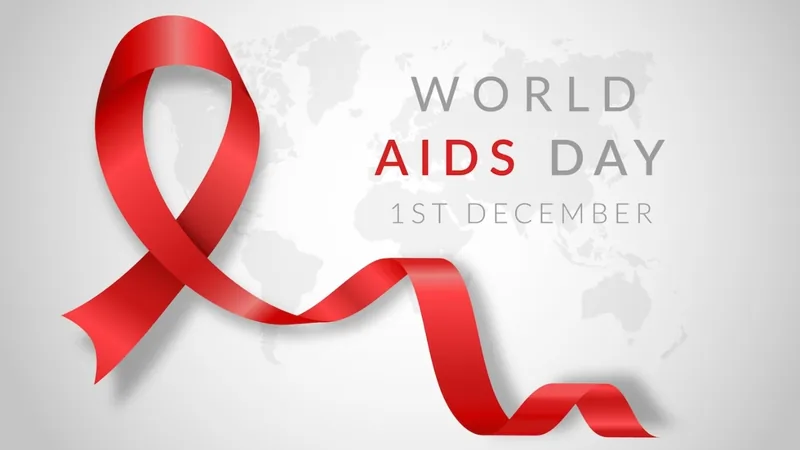
World AIDS Day

1. What is HIV/AIDS?
HIV (Human Immunodeficiency Virus) is a virus that causes immunodeficiency in humans, progressively depriving the body of its ability to fight infections and malignancies.
AIDS (Acquired Immunodeficiency Syndrome) is the final stage of HIV infection, during which the immune system is severely damaged, leading to a high risk of mortality if not treated promptly.
2. Routes of HIV transmission
HIV is primarily transmitted through 3 main routes:
- Unsafe sexual contact: Includes both homosexual and heterosexual intercourse without barrier protection.
- Transfusion of blood or blood products: When unscreened, or transmitted via non-sterilized needles and medical instruments.
- Mother-to-child transmission: During pregnancy, childbirth, or through breast milk.
HIV is not transmitted through casual contact such as shaking hands, hugging, kissing, sharing eating utensils, or through air and water.
3. Preventive measures against HIV/AIDS
3.1. Infection prevention
- Safe sexual practices: Proper and consistent use of condoms
- Do not share needles: Particularly in intravenous drug use.
- Pre-transfusion blood screening: All blood products must be rigorously tested for HIV prior to administration.
- Prevention of mother-to-child transmission: HIV-positive women should receive specialized counseling and early therapeutic intervention during pregnancy to minimize the risk of transmission to the child.
3.2. Prophylactic treatment
- Pre-Exposure Prophylaxis (PrEP): Indicated for individuals at high risk of HIV infection.
- Post-Exposure Prophylaxis (PEP): To be administered within 72 hours following potential exposure to HIV.
4. The Role of Diagnostic Testing and Treatment
4.1. HIV Testing
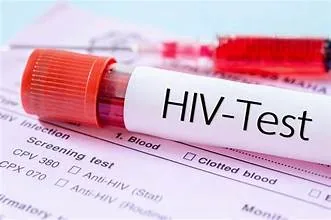
HIV testing is the only way to accurately determine infection status.
Individuals engaging in high-risk behaviors should be tested for HIV at least 1-2 times/year.
4.2. Antiretroviral Therapy (ART)
ARVs (antiretroviral drugs) help suppress the virus, reduce the viral load in the blood to undetectable levels, improve quality of life, and prevent transmission to others.
5. Destigmatization and Awareness Enhancement
Stigma against people living with HIV is one of the major barriers in HIV/AIDS prevention and control. Everyone needs to understand that:
- HIV is not a definitive end; individuals living with HIV who strictly adhere to treatment can lead healthy, fulfilling lives comparable to anyone else.
- Community education on HIV/AIDS is a crucial factor in eliminating stigma and enhancing public awareness of the disease.
- Understanding and preventing HIV/AIDS is not solely an individual responsibility, but a shared mission for society as a whole. Community solidarity will play an essential role in overcoming the epidemic, safeguarding a secure and healthy life for all.
Do not let HIV/AIDS threaten your life. With fast, accurate testing services at Sante Hospital, you can have peace of mind about your health and live life to the fullest. Proactively prevent HIV/ AIDS for a healthy community!
Proactively protect your health with our experienced specialist doctors and advanced medical equipment.
📞 BOOK AN APPOINTMENT NOW: (+84) 28 2200 8686 – (+84) 901 295 399
⏰ Monday – Saturday: Morning 7:30 AM – 12:00 PM, Afternoon 1:30 PM – 5:00 PM | 24/7 Emergency: ((+84) 937 389 539)
💳 Full nationwide health insurance coverage & Direct billing for private insurance accepted