
Gastroptosis: Causes, Clinical Symptoms, and Modern Management

What Is Gastroptosis?
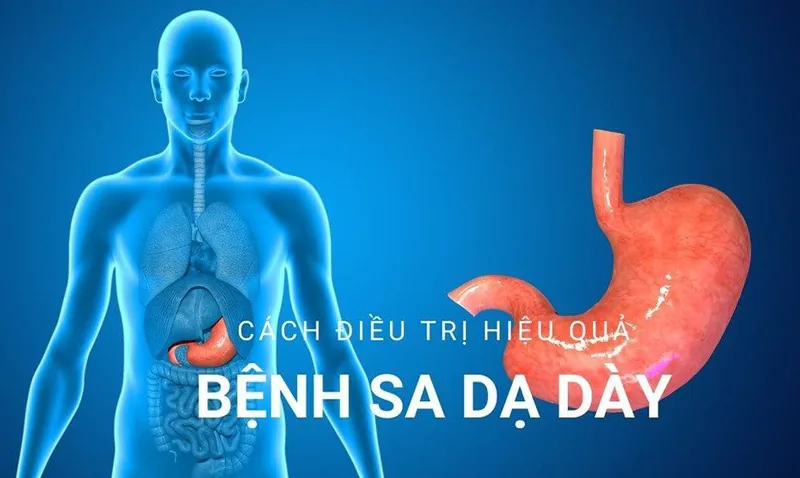
Gastroptosis refers to the downward displacement of the abdominal viscera, specifically involving the stomach—a relatively uncommon clinical condition. In this pathology, while the fundus remains in its anatomical position, the lower curvature and body of the stomach descend significantly below their normal level.
Etiology and Causes
Gastroptosis arises from multifactorial etiologies, frequently presenting in patients with peptic ulcer disease, obesity induced by physical inactivity, and multiparous women. Key clinical causes of gastroptosis include:
- Gastric and duodenal bulb ulcers leading to pyloric stenosis
- Irregular dietary habits: Overeating, vigorous physical exertion immediately postprandial, or a medical history of gastric pain can impair muscular tone and gastrointestinal motility, ultimately resulting in gastroptosis.
- Physical asthenia and emaciation: Under these conditions, the abdominal muscular fascia becomes lax, adipose cushioning in the abdominal wall is diminished, and intra-abdominal pressure drops, predisposing the stomach to descend.
- Rapid weight reduction as a predisposing factor: Individuals undergoing excessively rapid weight loss—especially multiparous women or those with an elongated, narrow abdominal habitus—exhibit an elevated risk of developing this condition.
- Helicobacter pylori Infection: Colonization by Helicobacter pylori (H. pylori) may also contribute to the pathogenesis of gastroptosis.
Clinical Symptoms of Gastroptosis
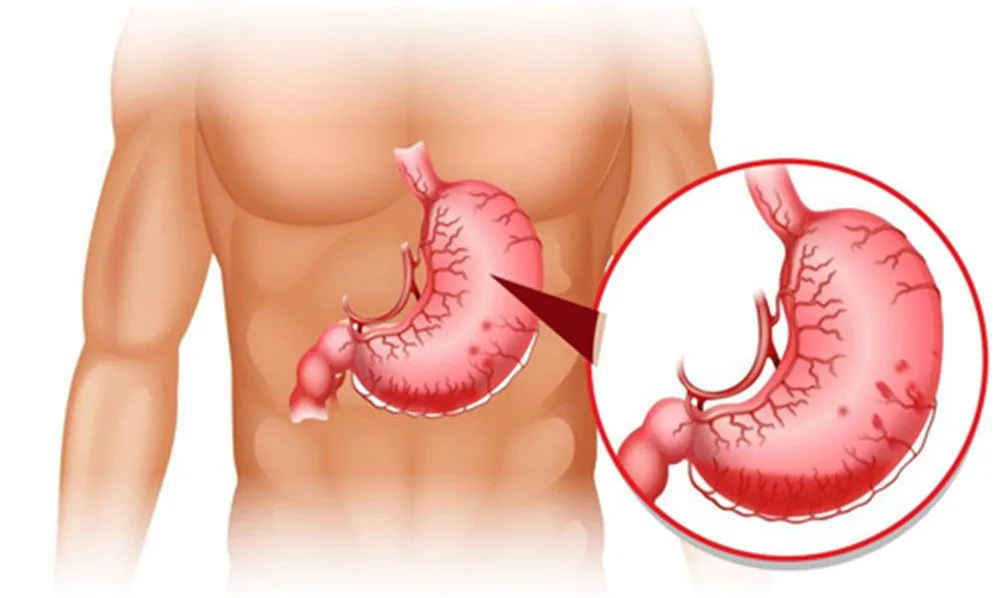
The clinical manifestations of gastroptosis are often subtle and challenging to detect, carrying the risk of progressing into critical complications such as gastrointestinal hemorrhage or malignancy. Common symptoms of gastroptosis include:
- Postprandial discomfort, abdominal distension, a distinctive dragging/sagging sensation of the stomach, epigastric tension, or a persistent heavy compressive feeling
- Audible gastric succussion splashes (fluid splashing sounds) occurring within the stomach, which typically diminish or become inaudible in the supine position
- Frequent belching accompanied by bad breath (halitosis).
- Loss of appetite, nutritional deficiency, and weight loss affecting quality of life. Ashen complexion, bitter taste in the mouth, dry tongue, low spirits, chronic fatigue, and sensitivity to cold.
- Headaches, insomnia, and stress.

Prevention & Treatment Measures
To prevent and manage gastroptosis effectively, patients should adhere to the following principles:
- Dietary and lifestyle adjustments: Eat regular meals and avoid strenuous exertion immediately after eating. Limit cold, sour, spicy, and greasy foods that cause bloating and indigestion. Chew thoroughly to facilitate gastric motility and digestion. Maintain a balanced exercise and physical activity regimen.
- Adhere to prescribed medication: Antacids, smooth muscle antispasmodics, prokinetic agents, or antibiotics for Helicobacter pylori eradication may be prescribed if indicated.
- Surgical intervention when necessary: In severe cases or in the presence of critical complications, surgical procedures to reposition and fixate the stomach (gastropexy) or resect damaged tissue may be required.
Gastroptosis is a condition that not only compromises overall health but also degrades the patient's quality of life. Therefore, proactive prevention and timely medical intervention are paramount to avoid adverse complications.
Department of Internal Medicine – Sante Hospital is a trusted destination for the diagnosis and treatment of Gastroptosis. Patients can experience absolute peace of mind when seeking consultation and treatment at the Department of Internal Medicine at Sante Hospital. The department is comprehensively appointed with cutting-edge medical technologies for accurate testing and diagnosis. Our team of seasoned specialists with profound expertise delivers exceptional clinical outcomes while shortening overall treatment duration.
Proactively protect your health with our experienced specialist doctors and advanced medical equipment.
📞 BOOK AN APPOINTMENT NOW: (+84) 28 2200 8686 – (+84) 901 295 399
⏰ Monday – Saturday: Morning 7:30 AM – 12:00 PM, Afternoon 1:30 PM – 5:00 PM | 24/7 Emergency: ((+84) 937 389 539)
💳 Full nationwide health insurance coverage & Direct billing for private insurance accepted