
PERIPHERAL FACIAL NERVE PALSY (BELL'S PALSY):
A CONDITION CAUSING FACIAL ASYMMETRY

Peripheral cranial nerve VII palsy, also known as Bell's palsy, is a condition characterized by damage to the facial nerve (cranial nerve VII), resulting in the loss of control over the facial muscles on one side. This can cause facial asymmetry, significantly impairing aesthetics and the patient's quality of life.

1. Causes of facial nerve palsy
- Viral infection: Herpes simplex virus (HSV), influenza virus, and varicella-zoster virus (herpes zoster) can invade the facial nerve, causing inflammation and damage.
- Sudden exposure to cold: Exposure to cold air or abrupt temperature changes can induce vasospasm, reducing blood flow to the seventh cranial nerve and leading to facial palsy.
- Traumatic brain injury: Trauma from accidents, surgery, or severe impact can injure the seventh cranial nerve.
- Cerebrovascular accident (Stroke): Stroke can damage the central nervous system, including the seventh cranial nerve.
– Other medical conditions: Diabetes, hypertension, brain tumors, or autoimmune diseases may also be associated with cranial nerve VII palsy.
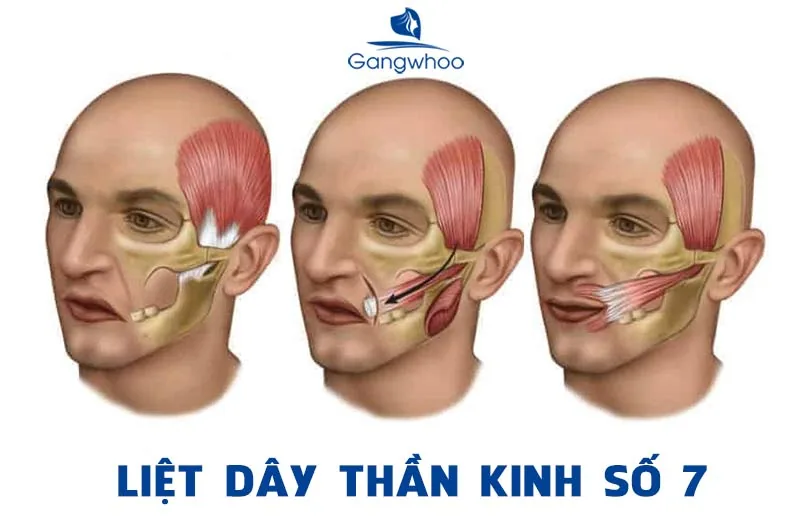
2. Signs and symptoms
Patients with seventh cranial nerve palsy typically present with the following manifestations:
- Loss of control over unilateral facial muscles, resulting in facial asymmetry, difficulty smiling, and inability to close the eye on the affected side.
- Loss of corneal blink reflex, rendering the eye prone to dryness and keratitis.
- Taste impairment (dysgeusia) involving a portion of the tongue.
- Involuntary drooling.
- Unilateral facial swelling or mild discomfort.
- Certain cases may present with concurrent otalgia (ear pain) and tinnitus.
3. Consequences of untimely treatment
If not detected and treated early, cranial nerve VII palsy can lead to numerous severe complications:
- Permanent facial deformity: If nerve regeneration remains incomplete, patients may experience permanent facial asymmetry and mouth distortion.
- Keratitis and severe xerophthalmia (dry eye syndrome): Incomplete eyelid closure (lagophthalmos) can lead to severe dry eyes, corneal ulceration, and potential vision impairment.
- Facial muscle contracture: Some patients may develop involuntary muscle spasms, resulting in facial twitching.
- Psychological impact: Facial paralysis can compromise self-esteem, precipitating anxiety and depression.

4. Treatment and Rehabilitation
Treatment for cranial nerve VII palsy should be initiated as early as possible to increase the chances of recovery. Treatment methods include:
- Pharmacotherapy: Corticosteroids and antiviral agents (if etiologically viral) help attenuate inflammation, target the root cause, and facilitate nerve recovery.
- Physical therapy: Acupuncture, therapeutic massage, and electrical neuromuscular stimulation can assist in restoring facial motor function.
– Surgery (in severe cases): If paralysis persists without recovery, surgery may be required to restore nerve function.

5. Prevention
To reduce the risk of cranial nerve 7 palsy, keep the facial area warm, especially in cold weather or when working in strongly air-conditioned environments. Avoid direct exposure to cold wind, especially after bathing or when going out at night. Boost immunity with a nutritious diet, regular exercise, and stress management. If there are signs of facial muscle numbness or weakness, seek early neurological examination for timely treatment to avoid long-term complications.
Proactively protect your health with our experienced specialist doctors and advanced medical equipment.
📞 BOOK AN APPOINTMENT NOW: (+84) 28 2200 8686 – (+84) 901 295 399
⏰ Monday – Saturday: Morning 7:30 AM – 12:00 PM, Afternoon 1:30 PM – 5:00 PM | 24/7 Emergency: ((+84) 937 389 539)
💳 Full nationwide health insurance coverage & Direct billing for private insurance accepted
