
Stroke and Stress:
Frequently Asked Questions


In high-pressure modern life, stroke and stress have become concerning health issues leading to many questions and anxieties about these two conditions. To answer common questions and provide useful information, Sante Hospital is pleased to introduce the “You Ask – Doctor Answers” column with the topic “Stroke and Stress”.
1. Biological mechanism & Early warning signs
Internal Medicine Specialist Dr. Nguyen Tung Long will address common inquiries, provide medical insights, and offer practical clinical guidance to enhance your understanding of stroke and stress.
We invite you to explore this essential medical guidance to safeguard your wellbeing and that of your loved ones.
2. Diagnostic methods & specialized treatment protocols
1. To what extent does stress contribute to stroke, particularly aneurysmal rupture? What does current clinical evidence indicate?
Clinical research has identified key triggers capable of precipitating aneurysmal rupture and subsequent hemorrhagic stroke. These include strenuous physical exertion, acute anger, and severe emotional stress. Their unifying physiological hallmark is a transient, sharp surge in arterial blood pressure that destabilizes the aneurysm wall. Severe stress frequently induces sudden hypertensive spikes which, in patients harboring an unruptured or undiagnosed aneurysm, can trigger a catastrophic rupture.
2. What is the clinical correlation between chronic stress, occupational overwork, and stroke?

Notably, a landmark cohort study published in The Lancet demonstrated that stroke risk escalates in direct proportion to extended working hours. This phenomenon is closely mirrored by karoshi—death precipitated by severe occupational exhaustion—which often presents as stress-induced acute chest pain and fatal cerebrovascular accidents.
3. Preventive Advice & Home Care Regimen
Published in The Lancet, this meta-analysis synthesized data across 25 studies involving cohorts from the United States, Europe, and Australia to evaluate whether long working hours serve as an independent risk factor for stroke and cardiovascular disease. Regarding stroke endpoints, longitudinal data from over 500,000 individuals with no prior history of stroke—followed for an average of approximately seven years—revealed that individuals working in excess of 55 hours per week faced a significantly heightened stroke risk compared to those adhering to standard 35- to 40-hour workweeks. The study's authors concluded that more rigorous clinical management of vascular risk factors among individuals working extended hours is paramount to mitigating stroke incidence.
Karoshi, or fatal occupational overwork, was first documented in Japan in 1969 following the death of a 29-year-old male worker from a massive stroke. Chronic sleep deprivation is recognized as a pivotal mediator. Substantial clinical research links chronic insomnia to the acceleration of essential hypertension and type 2 diabetes mellitus. Sleep deficit sustains sympathetic hyperactivity, driving systemic vascular resistance and metabolic dysregulation—both critical vascular risk factors that substantially elevate long-term stroke morbidity.
3. What physiological mechanisms connect chronic stress, overwork, and stroke, and what cardinal warning signs require immediate vigilance?
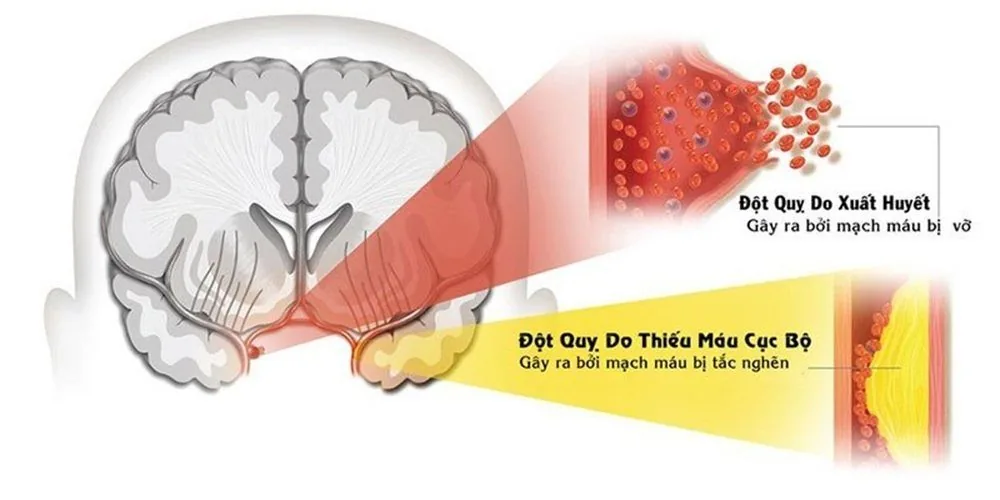
In the landmark INTERSTROKE study evaluating ten modifiable risk factors, psychosocial stress was directly attributable to approximately 5% of stroke events, whereas hypertension accounted for nearly one-third. Rather than serving as an isolated, direct cause, chronic stress operates predominantly as an indirect catalyst, amplifying established vascular risk factors that ultimately provoke a cerebrovascular event.
As noted, sustained stress drives systemic hypertension, markedly elevating stroke risk. Concurrently, it triggers a sustained hypersecretion of catecholamines such as adrenaline, which stimulates platelet hyperactivation and fosters a prothrombotic state, predisposing patients to acute cerebral arterial occlusion.
4. Which underlying clinical conditions predispose to stroke, and to what extent does stress exacerbate these pathologies? For instance, is it clinically accurate to attribute approximately 10% of hypertension cases to chronic stress?
The landmark INTERSTROKE study identified the following definitive risk factors for stroke:
· Hypertension
· Smoking
· Obesity
· Dieting
· Low physical activity
· Diabetes
· Alcohol consumption
· Cardiovascular causes such as atrial fibrillation
· Cholesterol cao
· Psychological factors including stress
Many of the vascular risk factors mentioned above are modifiable. Stress has been found to be associated with less than 5% of stroke cases.
5. What Is the Post-Stroke Survival Rate?
Based on local data, the 5-year survival rate for stroke patients is approximately 60%. By subtype, patients with ischemic stroke have a longer survival duration than those with hemorrhagic stroke. However, ischemic stroke is associated with a higher rate of recurrence. Leading causes of mortality among stroke patients include subsequent recurrent stroke, pneumonia, and ischemic heart disease.
Proactively protect your health with our experienced specialist doctors and advanced medical equipment.
📞 BOOK AN APPOINTMENT NOW: (+84) 28 2200 8686 – (+84) 901 295 399
⏰ Monday – Saturday: Morning 7:30 AM – 12:00 PM, Afternoon 1:30 PM – 5:00 PM | 24/7 Emergency: ((+84) 937 389 539)
💳 Full nationwide health insurance coverage & Direct billing for private insurance accepted